
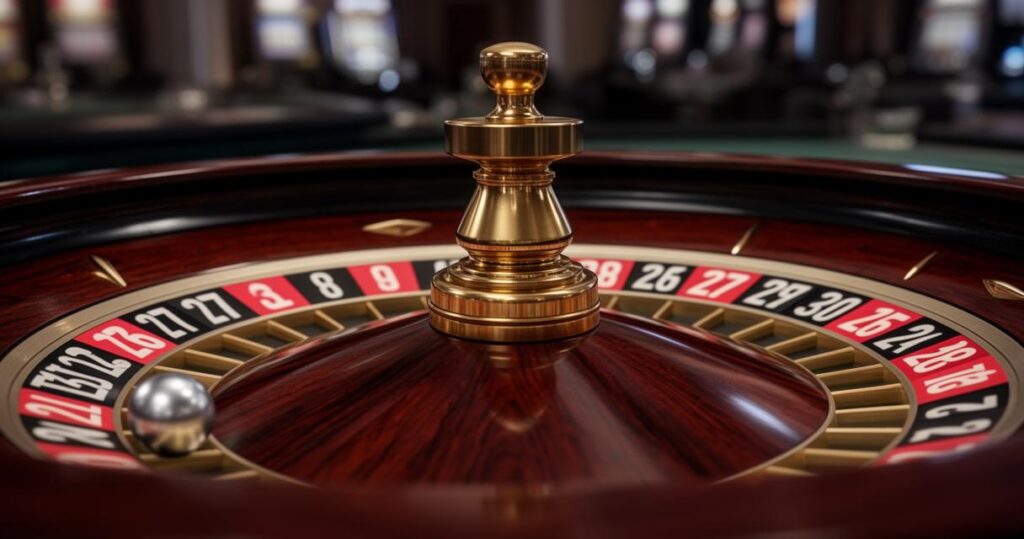
English roulette represents one of the most enduring traditions in the world of casino gaming, offering a blend of simplicity and sophistication that has captivated players for centuries. The game, with its iconic wheel and unmistakable sound of the ball settling into a numbered pocket, provides both novices and seasoned gamblers with an accessible yet thrilling experience. Understanding the rules and nuances of this classic pastime is essential for anyone looking to engage with the game confidently and responsibly.
Understanding the Fundamentals of English Roulette
At its core, English roulette follows the principles of its French ancestor, a game whose origins are steeped in both legend and documented history. The name itself, derived from the French term for small wheel, hints at the game's continental roots, though various theories have circulated regarding its true inception. Some accounts attribute the invention to the mathematician Blaise Pascal in 1655, whilst others suggest it emerged within the walls of a French monastery as a means to alleviate the tedium of monastic life. An alternative narrative proposes that French Dominican monks adapted the game from an ancient Tibetan pastime involving thirty-seven statuettes. Despite these colourful tales, the earliest concrete evidence for roulette appears in eighteenth-century legal documents, with prohibitions recorded in Canada in 1758 and England in 1745. Such bans suggest the game was already widespread and popular enough to warrant official attention.
The Distinctive Features of the British Wheel
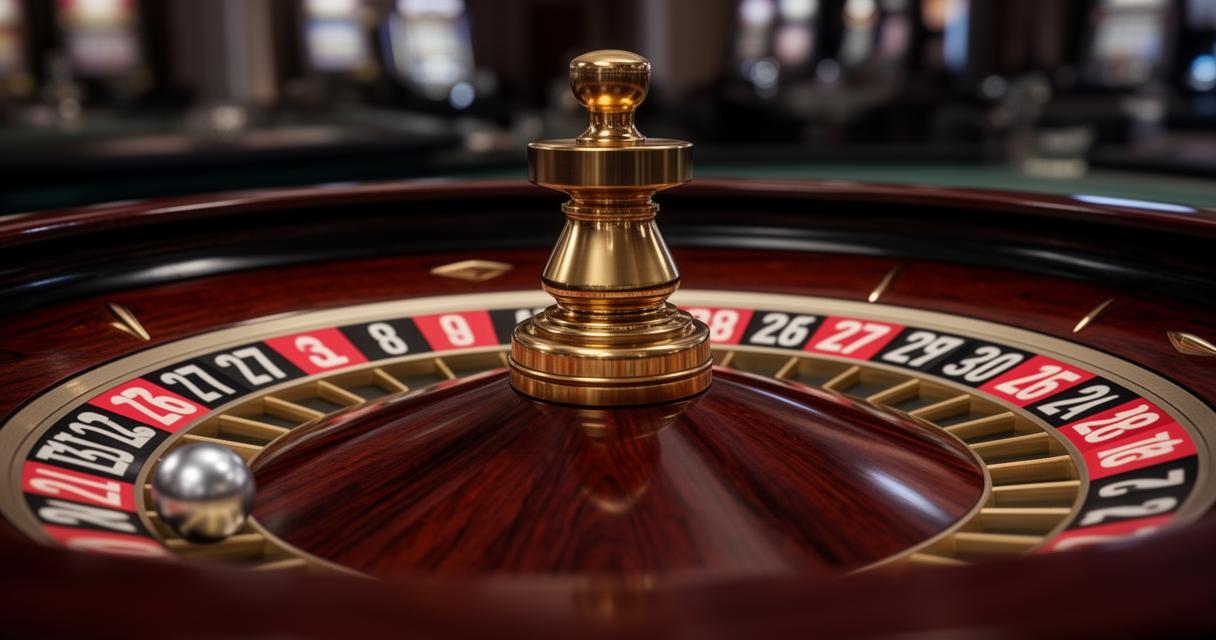
The traditional English roulette wheel adheres to the European format, characterised by thirty-seven pockets numbered from zero to thirty-six. This configuration differs markedly from the American variant, which includes an additional double zero pocket, thereby altering the odds and house advantage significantly. The presence of a single zero in the European style results in a more favourable environment for players, as it reduces the mathematical edge held by the casino. The wheel itself is a marvel of craftsmanship, with alternating red and black pockets surrounding the green zero, creating a visually striking and balanced design. The arrangement of numbers on the wheel is neither sequential nor arbitrary; rather, it is carefully ordered to ensure a random distribution of high and low numbers, as well as odd and even digits, around the circumference. This meticulous layout is central to the integrity and fairness of the game.
How the Game Flow Works from Start to Finish
A session of English roulette unfolds in a series of deliberate and ceremonial steps, each contributing to the overall atmosphere of anticipation. The croupier, who serves as the game's master of ceremonies, begins by inviting players to place their wagers on the betting layout, a felt surface marked with numbers and various betting zones. Once the betting period opens, participants have the opportunity to position their chips according to their chosen strategy or intuition. After a suitable interval, the croupier announces that no further bets may be placed, spinning the wheel in one direction and launching the ball in the opposite direction along the outer rim. As the wheel gradually slows, the ball dances across the numbered pockets before finally settling into one, determining the winning number and colour. The croupier then clears away losing bets and pays out the winners according to the odds associated with their respective wagers. This entire sequence, from the opening call to the final payout, embodies the rhythmic and ritualistic nature of the game, making each round a self-contained drama.
Exploring the Complete Range of Betting Options
One of the defining characteristics of English roulette is the sheer variety of betting options available to players, each offering a distinct balance of risk and reward. The betting layout accommodates numerous types of wagers, broadly categorised into inside and outside bets, with each category further subdivided into specific options. This diversity allows players to tailor their approach according to their risk tolerance and strategic preferences, whether they favour cautious, incremental gains or bold, high-stakes gambles. The odds for each bet type are clearly defined, reflecting the probability of a successful outcome and the corresponding payout. Understanding these options is crucial for anyone wishing to engage with the game in a thoughtful and informed manner.
Inside bets: straight up to six line wagers
Inside bets are those placed directly on the numbered grid of the layout, covering specific numbers or small groups of adjacent numbers. The most straightforward of these is the straight-up bet, where a player wagers on a single number, including the zero. This bet offers the highest payout at thirty-five to one, reflecting its low probability of success. A split bet covers two adjacent numbers, either horizontally or vertically aligned on the layout, and pays out at seventeen to one. The street bet encompasses three numbers in a single horizontal row, offering an eleven to one return. A corner bet, also known as a square, covers four numbers that meet at a common corner, yielding an eight to one payout. Finally, the six-line bet spans two adjacent rows of three numbers each, totalling six numbers, with a payout of five to one. Each of these wagers allows players to focus their resources on specific sections of the wheel, offering the potential for substantial returns in exchange for increased risk.
Outside bets: columns, dozens and even money chances
Outside bets, in contrast, cover larger sections of the layout and generally offer more modest payouts in exchange for a higher likelihood of winning. The column bet covers one of the three vertical columns on the layout, each containing twelve numbers, and pays out at two to one. Similarly, the dozen bet encompasses one of three groups of twelve consecutive numbers: one to twelve, thirteen to twenty-four, or twenty-five to thirty-six, also offering two to one odds. The even-money bets are particularly popular among cautious players, as they cover nearly half the numbers on the wheel and pay out at one to one. These include bets on red or black, odd or even, and high or low numbers, with the latter distinguishing between one to eighteen and nineteen to thirty-six. It is worth noting that the presence of the zero means these bets do not cover exactly half the wheel, thereby giving the house a slight advantage. In European roulette, certain rules such as En Prison and La Partage provide additional safeguards for even-money wagers when the ball lands on zero, allowing players either to recover half their stake or leave the bet in place for the next spin. These rules further enhance the player's position and reduce the overall house edge.
Mathematical edge and strategic considerations
Understanding the mathematical underpinnings of English roulette is essential for anyone who wishes to approach the game with a clear-eyed perspective. The house edge, which represents the casino's long-term advantage over players, is a fundamental concept that influences every wager placed. In the European format, the single zero results in a house edge of approximately two point seven per cent, a figure derived from the fact that the casino pays out as if there were only thirty-six numbers on the wheel, whilst in reality there are thirty-seven. This discrepancy ensures that, over time, the house will retain a small but consistent profit. The American version, with its additional double zero, nearly doubles this edge to around five point three per cent, making the European wheel a more favourable option for players. Each type of bet carries the same house edge in European roulette, meaning that no wager is inherently superior in terms of expected value, though they differ in variance and frequency of wins.
Calculating the House Advantage on Different Wagers
The calculation of the house edge is straightforward yet illuminating. For a straight-up bet, the true odds of winning are thirty-six to one, as there are thirty-seven possible outcomes. However, the payout is only thirty-five to one, meaning the player effectively loses one unit for every thirty-seven spins on average. This one-unit shortfall translates to a house edge of approximately two point seven per cent. The same principle applies to all other bets, whether inside or outside. For instance, a bet on red covers eighteen numbers, giving a probability of success of eighteen out of thirty-seven, yet the payout remains one to one, ensuring the house retains its edge. The En Prison and La Partage rules, which apply to even-money bets in certain European casinos, reduce the house edge further to around one point three five per cent, making these wagers particularly attractive. Players should be aware that whilst no strategy can eliminate the house advantage, understanding the odds allows for more informed decision-making and realistic expectations.
Practical approaches to responsible gaming sessions
Engaging with English roulette should always be an enjoyable and controlled experience, undertaken with a clear understanding of the risks involved. Responsible gaming begins with setting strict limits on both time and money, ensuring that participation remains a form of entertainment rather than a financial burden. Players are advised to establish a budget before entering a casino or logging into an online platform, and to adhere to that limit regardless of the session's outcome. It is equally important to recognise that roulette is a game of chance, with each spin entirely independent of the previous one, rendering any system or betting pattern ultimately ineffective over the long term. Whilst certain strategies, such as the Martingale or Fibonacci systems, may offer short-term gains, they cannot overcome the fundamental house edge and may lead to significant losses if pursued recklessly. Maintaining a healthy perspective on the game, viewing wins as fortunate bonuses rather than expected outcomes, and avoiding the temptation to chase losses are all essential practices. Many casinos and online platforms offer tools to support responsible gaming, including self-exclusion options, deposit limits, and reality checks, which players should utilise as needed. By approaching English roulette with both knowledge and restraint, participants can enjoy the timeless appeal of this classic game whilst safeguarding their wellbeing.